“My love affair with nature is so deep that I am not satisfied with being a mere onlooker, or nature tourist. I crave a more real and meaningful relationship. The spicy teas and tasty delicacies I prepare from wild ingredients are the bread and wine in which I have communion and fellowship with nature, and with the Author of that nature.”
― Euell Gibbons
WEED. What is a weed but for a plant that is of no perceived use or value; a seldom appreciated survivor of the margins and edgelands that we overlook and under value. These liminal scrags that punctuate concrete, force thinly through cracks and cling to crumbling pointing, waving high above streets and survive, despite efforts to eradicate them.
The first OED definition of a weed categorises the weed as ‘a herbaceous plant not valued for use or beauty, growing wild and rank, and regarded as cumbering the ground or hindering the growth of superior vegetation.’ But what if, in the right context it IS the superior vegetation?
My post today, the first on this topic, has been inspired by two very different botanical experiences, but both have enthused and educated me into how we can apply the wildness of the foraged and found and the ordered selection of the cultivated and bring that into the PHG in our communal herb beds and also in the land left fallow. In addition, on a personal level, I hope to apply this greater appreciation of the herbal plant to my own gentler style of growing by allowing wild volunteers to thrive alongside planned produce.
Last week I was able to see a unique and beautiful botanical landscape, the maquis of Corsica. Often called The Scented Isle it is the herbs and shrubs of this arresting littoral and mountainous landscape that define it and also marry with the culinary culture of the island. One of the national dishes ‘civet of sanglier’ is a stew of wild boar, chestnuts and hand-picked woody herbs from the maquis, including the juniper berry, through which this shy forager, U cignale, would have grubbed and ate among the roots of.
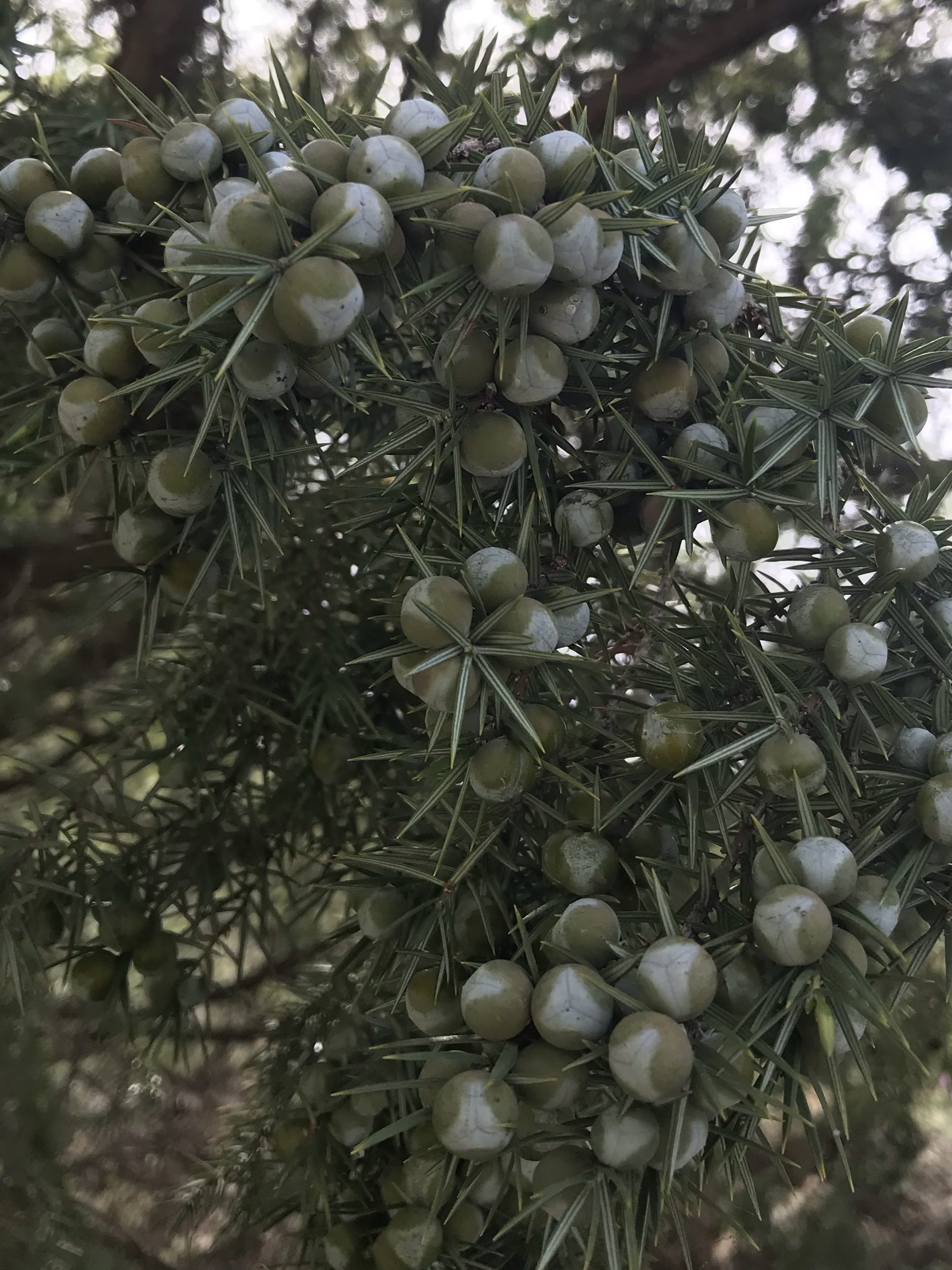
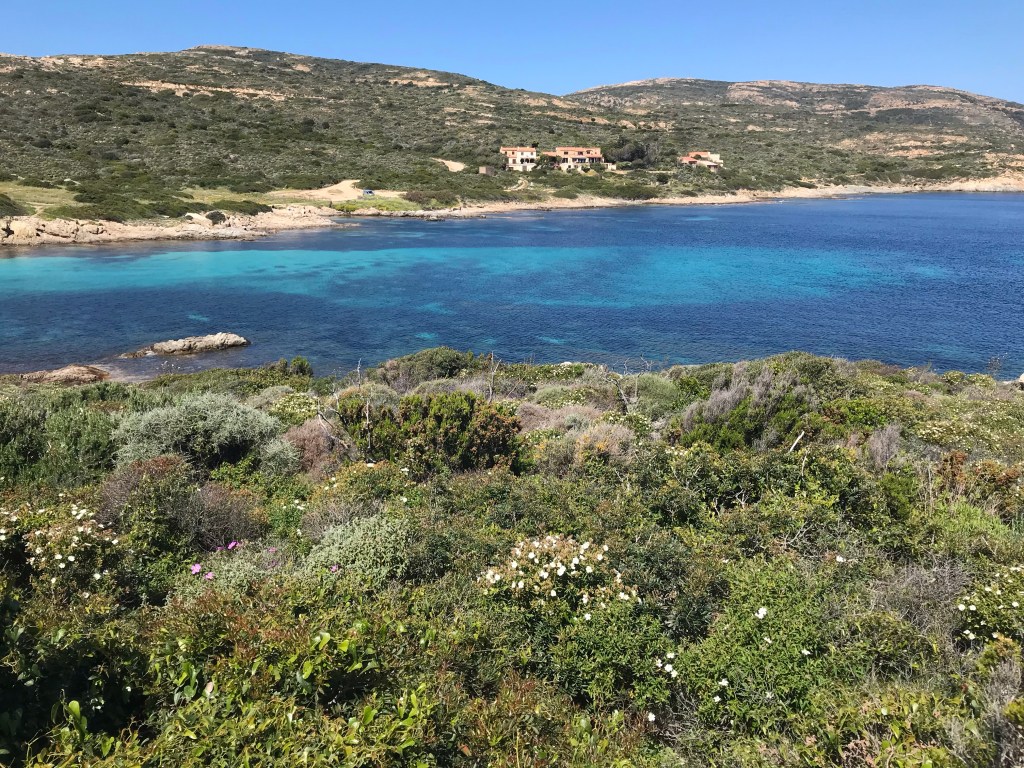
Oregano, Fennel, Nepeta, Thyme, Myrtle, Juniper, Immortelle, Rosemary and Rock Rose combine as you move through the maquis, each brush through the trail a symphony of herbal aromas that soporifically hang in the swift-shot Mediterranean air. Lavandula stoechas, or French lavender, nods its tasselled violet head, squeezing itself from cracks in the granite rocks that form the dramatic valleys and mountains of the interior. Bursts of bright green fennel sit alongside the myrtle bushes in the mountains, the latter’s berries being macerated in honey and brandy to make Liqueur de myrte, while the former lends the aniseed piquancy of it’s seeds to cut through the creamy fat of the porcu nustrale – the wild ranging island pigs.
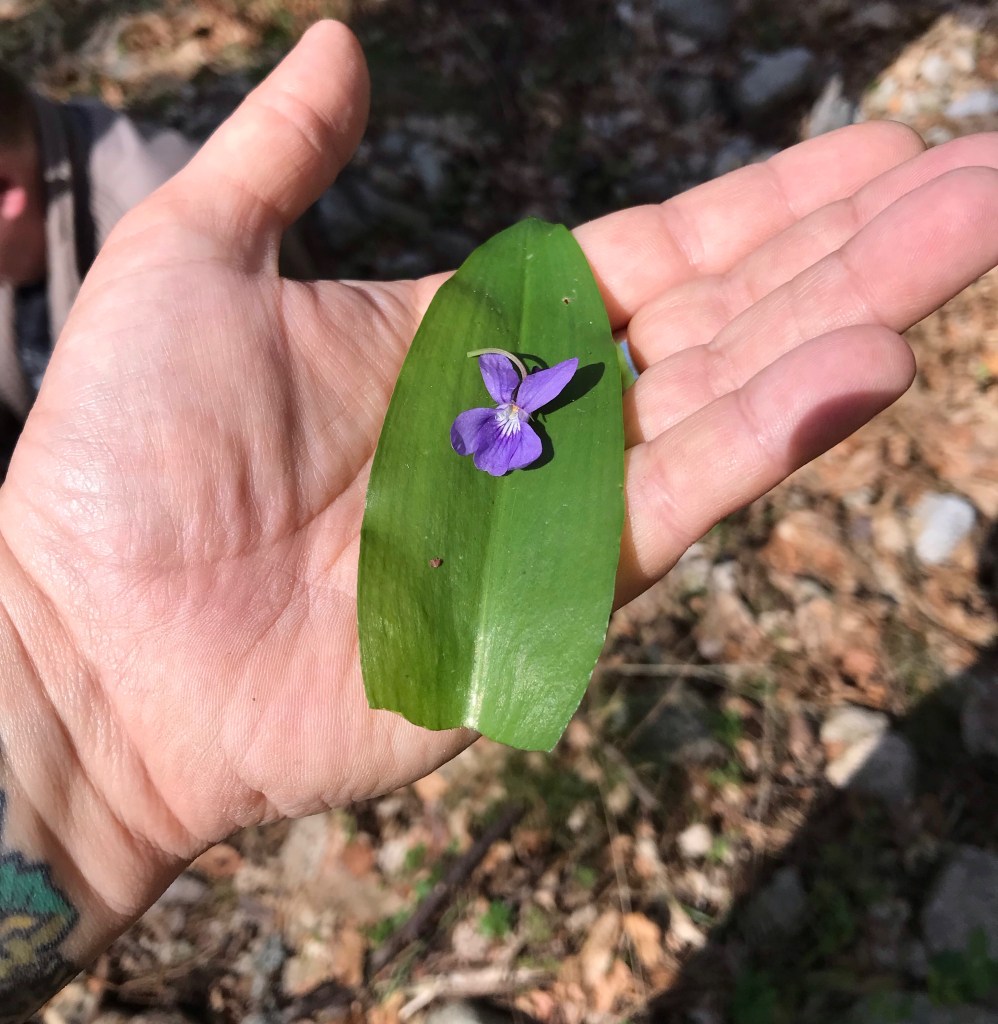
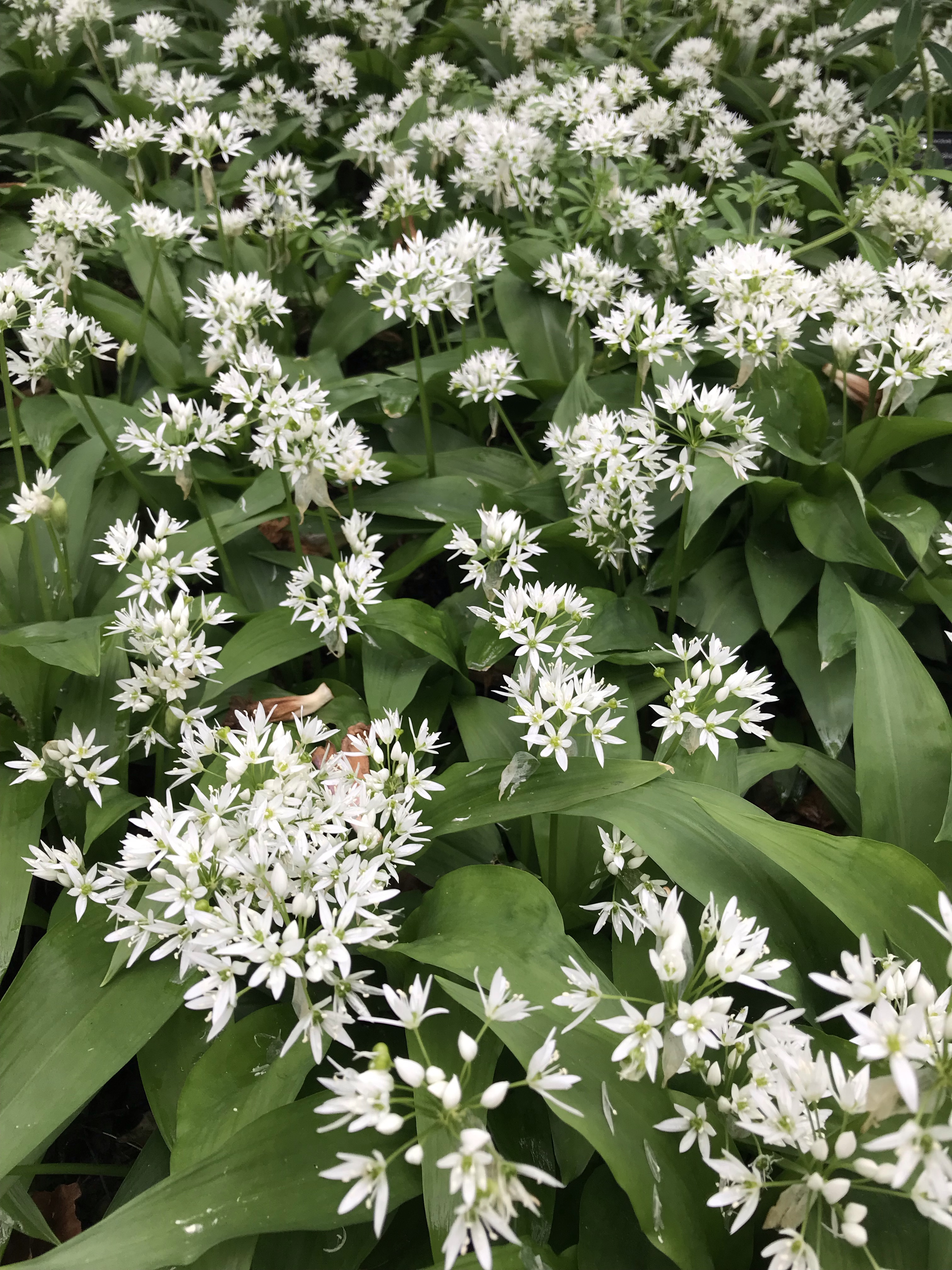
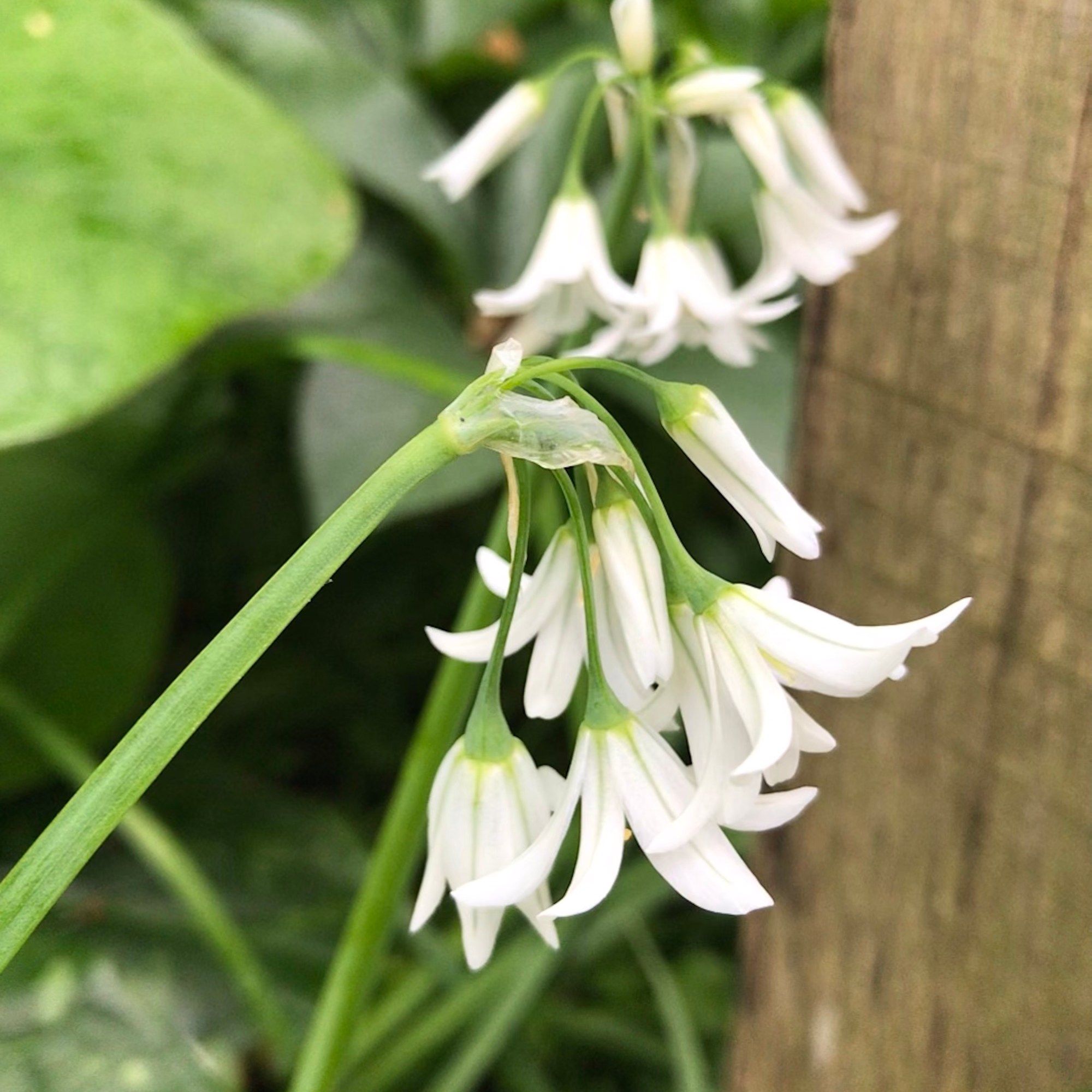
In contrast to the hardy, woodier herbs of the maquis, in the Foret de Vizzavona we found an abundance of wild garlic or Ail des Ours (the garlic of the bears!) an emerald carpet on the damp forest floor. Growing among it, the purple flowers a bright accent among the white starburst of the garlic, was wild violet which is one of the edible flowers found in the wild. In addition both in the forest and littoral areas we saw Three Cornered Leek a milder, sweeter allium but just as much of a delight as the more pungent wild garlic. With the Ail des Ours you could make a Corsican style pesto, a more rugged version of the classic from the former occupiers Genoa, using abundantly grown hazelnuts and the fresh, light ewe’s milk Brocciu cheese that sits in soft clouds among many Corsican dishes.
Brocciu appears in a traditional dish, Cannelloni au Brocciu, which folds the brocciu in pasta with iron rich, robust chard, called ‘blettes’ in French and on the island. Generous bunches, fresh cut and tied at the produce markets, their fat, white stems lying lazy in baskets next to huge concertinaed Coeur de Boeuf tomatoes that would later render down to make the wild oregano laced sauce that finishes the dish. We are growing chard in the garden as always this year and I can think of no finer summer celebration of it than this dish.
But how does this feed back to the PHG? This is not a flowery travelogue after all…It was the symbiosis of the wild plants, weeds, herbs…the ‘erva’ and the culture, both culinary and otherwise that struck me. How they remained wild but yet so ingrained in the food and fabric of the island, hand picked from the mountains and scrubland, eschewing cultivation for the rougher, bawdier flavours of tough little plants that survive in the wild. The harder the conditions the more complex and striking the flavours, the distillation of the four seasons set fragrant in their oils.
We already have Rosemary, Hyssop, Thyme, Oregano, Lavender, Angelica and Fennel sat squat and comfy on our main herb bed, so our Mediterranean flavours are establishing well, but perhaps we need to celebrate the tenacity of these hardy little plants and allow the wild in a little more. As we in the garden grow our herb beds I’d like to include these Mediterranean varieties in a harder, crueller growing area than our lovely loamy main herb bed, the seemingly arid and poor stretch by the hot wall, a place of seeming barrenness, poverty of nutrients and sun that would scorch their tender cousins – a little former wasteland in Bedfordshire is no match for the native conditions I know – but what if a little border of resilient woody herbs could bring welcome fecundity to areas previously shunned for cultivation?
To grow them together would be to allow the complimentary nature of their flavours and fragrances to be realised. In the second part of this blog post I’ll speak more on the challenges of growing some varieties in the UK and botanical geographical grouping and discovery when I discuss our visit to the Chelsea Physic Garden.
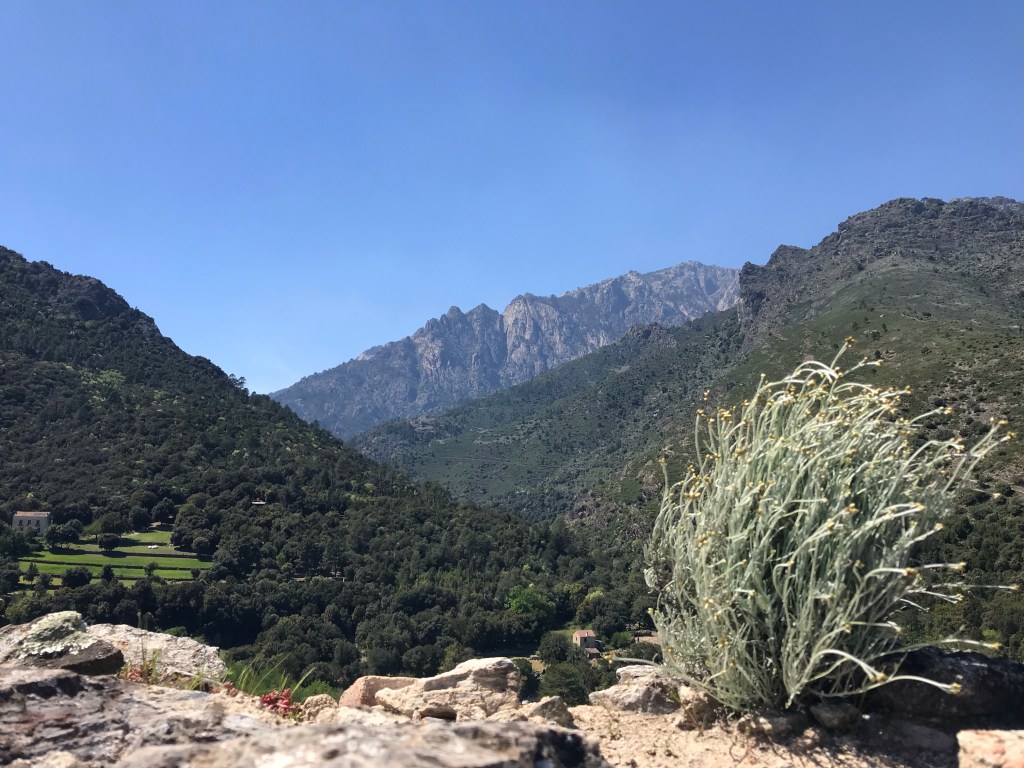
Corsica was a botanical wonder and I left with a greater love and respect for these wild and robust little plants that bring so much bounty from their tough existence. Bringing these varieties into the garden and grouped together as they would be in nature may not be quite the Mediterranean escape I crave a return to, but every time a solemn little raindrop hits their leaves, or you brush past them on a hot, fractious day, rich with insect static and mid-afternoon sleepiness a little part of the maquis rises.
 Welcome to The Pumphouse Garden
Leave a comment